What ‘In Stock’ Really Means in Singapore Vape Retail
The word “available” gets used loosely in Singapore’s vape retail scene. A listing can say in stock while the seller is still waiting on a shipment, and a shop can say sold out while a sealed box sits two metres from the counter. If you order regularly, the difference matters more than any product photo. Understanding Sg vape shop delivery properly starts with one question: who is actually holding the stock, and where?
This is a stock-depth angle, not a brand roundup. Below, I break sellers into inventory models, explain what each one means for a same-day order, and finish with a short reading guide you can apply the next time a product page says “available now”.
Shelf-Held Local Stock: The Only Model That Supports True Same-Day Delivery
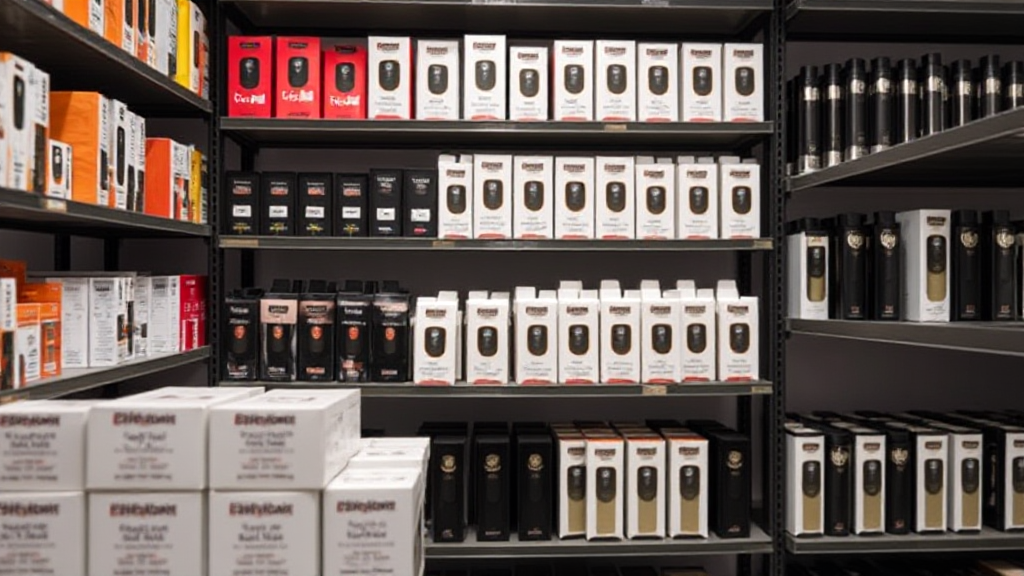
Shelf-held stock is exactly what it sounds like: the devices and pods are physically sitting in a Singapore storage space, counted, and ready to be packed. When a seller operates this way, “in stock” is a factual statement about objects on a shelf, not a hopeful note about a supplier message.
This model is the backbone of genuine express delivery. A courier can only collect what exists. If the stock is local, an order placed in the afternoon can be picked, packed, and handed to a rider the same day. If it is not, the fastest possible outcome is a tracking number that does nothing for several days.
There are practical tells. Sellers with shelf-held inventory usually publish specific model names and variants rather than vague categories, because they know precisely what is on the shelf. They can answer questions about colourways and puff counts without “checking with the warehouse”. And they tend to describe their delivery window in hours, not business days.
SG Lana Group works on this model. The store keeps ready local stock of authentic devices and pods, which is why a Lana vape same day delivery order is realistic rather than aspirational. The inventory exists before the order does, so the only variable left is the courier route.
Discreet packaging also belongs to this model. A seller packing its own stock controls the outer box, the label, and what the parcel looks like in a rider’s bag. That control disappears the moment stock is held somewhere else.
Drop-Shipped and Back-Ordered Listings: When ‘Available’ Means ‘Orderable’
Drop-shipped listings are the most common source of disappointment. The product page says in stock because the seller can place an order with a supplier, not because anything is on hand. From the buyer’s side, the page looks identical to a shelf-held listing. From the operations side, the two could not be more different.
The timeline is the giveaway. A drop-shipped order typically adds a supplier processing stage, an international transit stage, and a customs stage before local delivery even begins. What the buyer experiences is a long silence followed by a tracking update that appears to start from nowhere.
Back-order listings are a softer version of the same problem. The seller may genuinely intend to stock the item, and may even have a purchase order open, but nothing is reserved for you. If the shipment is delayed or short, your order is delayed or cancelled. Availability was never a promise about your parcel; it was a statement about intent.
There is nothing automatically dishonest about this model, and some sellers are transparent about it. The issue is labelling. When a drop-shipped listing uses the same “in stock” badge as a shelf-held one, the buyer loses the ability to choose. That is why reading the delivery estimate matters as much as reading the product description.
A simple test: if the stated delivery window is measured in weeks, the stock is almost certainly not local, no matter what the badge says.
Pre-Orders and Allocation Lists: Stock That Does Not Exist Yet
Pre-orders are the clearest case, because the product genuinely has not arrived. Sellers take payment or reservations ahead of a shipment, and buyers accept a wait in exchange for early access. When this is labelled as a pre-order, it is a fair arrangement.
Allocation lists are murkier. A seller may expect a certain number of units from a distributor but not know the final count. If demand exceeds allocation, some buyers are moved to a later batch. The listing said available; the allocation said otherwise.
For anyone who needs a device this week, pre-orders and allocation lists are the wrong category entirely. They are useful for collectors and for people planning well ahead, but they cannot support same-day expectations. A seller that mixes pre-order items into a general “in stock” catalogue is creating confusion by design or by carelessness.
The reading habit here is straightforward. Look for explicit pre-order wording, a future dispatch date, or a note about batch timing. If none of those appear but the delivery window is long, assume allocation risk.
Reading Stock Labels Across Seller Types: A Short Guide
Once you know the four models, stock labels become readable. Shelf-held stock supports real same-day service. Drop-shipped stock supports a promise, not a parcel. Back-orders support intent. Pre-orders support patience. Most disappointing orders come from mistaking one category for another.
Start with the delivery window. Hours suggest local stock. Days suggest a local warehouse with a processing queue. Weeks suggest a supplier chain. Then check whether specific variants are named. Sellers holding stock describe it precisely because they can see it. Sellers listing on behalf of others stay vague because specificity would expose the gap.
Next, look at how the seller talks about authenticity and packaging. A shop that packs its own parcels can speak concretely about discreet outer packaging, sealed devices, and what the courier will hand over. That level of detail is difficult to fake and rare in drop-shipped operations, where the seller never touches the box.
Finally, consider the practical outcome you want. If you need a device today, you are shopping for shelf-held stock, and the seller’s job is to prove it exists. If you are happy to wait, the other models are viable. The mistake is letting a badge decide for you.
For buyers in Singapore who want the first category, Singapore lana vape keeps inventory on hand rather than on order, which is the whole basis of its delivery speed. The same logic applies to any store you consider: Singapore vape delivery is only as fast as the shelf it starts from.
Read the window, read the variant list, and read the packaging details. Those three signals separate a real inventory from a hopeful listing. When a store can pass all three, lana vape sg style service becomes predictable rather than lucky, and Vape delivery sg stops being a gamble on someone else’s shipment schedule.
Leave a Reply